Steam utilization in textile

Steam utilization in textile

What are the uses of steam in textile? Steam utilization in the textile industry is steam energy used for fibre production, weaving, dyeing, drying, printing, ironing, washing, heating the equipment, and the temperature of the machine sheds. Also, many other industries and manufacturing processes use steam as, a heat source and for cleaning and sterilisation. … Read more

Dispose of factory wastewater

Dispose of factory wastewater

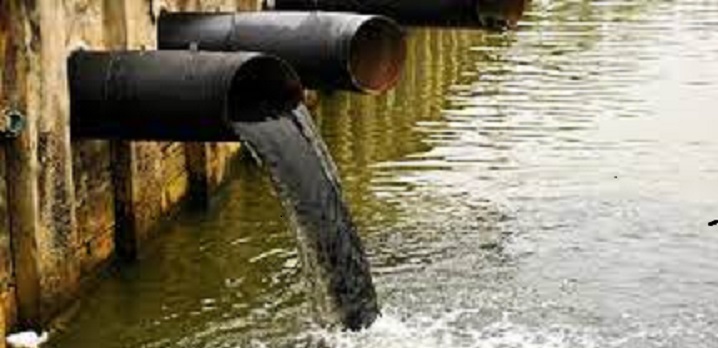
Sewage disposal or effluent disposal The textile industry uses a huge amount of water and outgoing water consists of many chemicals and impurities. If we do not dispose of this factory wastewater or sewage disposal or effluent disposal it will cause contamination of incoming water and will be injurious to health. The following method is … Read more
Hardness of water

water softening in industries

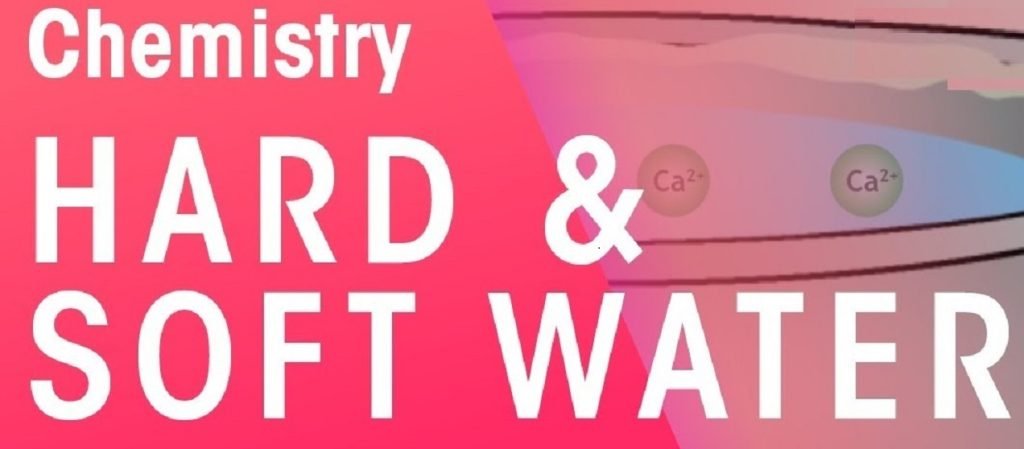
Hardness is the most important property i.e. impurity present in water.  So the water that does not give lather with soap is called hard water. Also, hard water has dissolved impurities which destroy the soap and will form scum over the soap. “Hence hardness is the power of not forming scum” Hard water is not … Read more
Properties of water

chemical rusting due to water

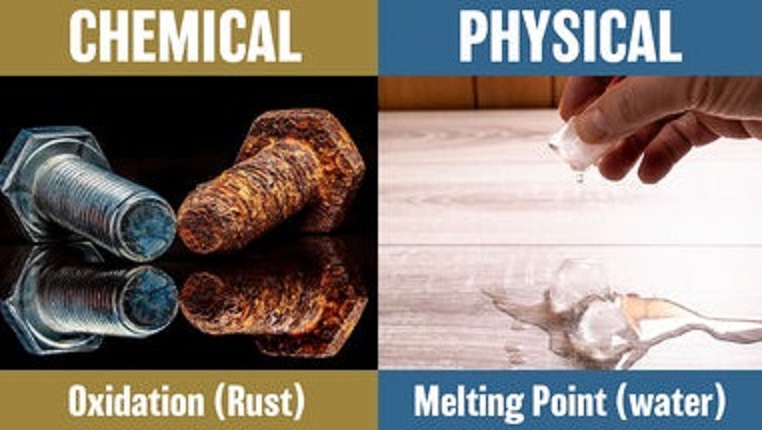
Water/H2O is the most abandoned single compound so the properties of water are most discussed in the universe. It is also essential for all living matters. mineralogical evidence has shown that liquid water must have existed 4.404 ± 0.008 billion years ago, so Just after the formation of Earth Till 1871 water was considered an … Read more
Metals and alloys

Alloy steel

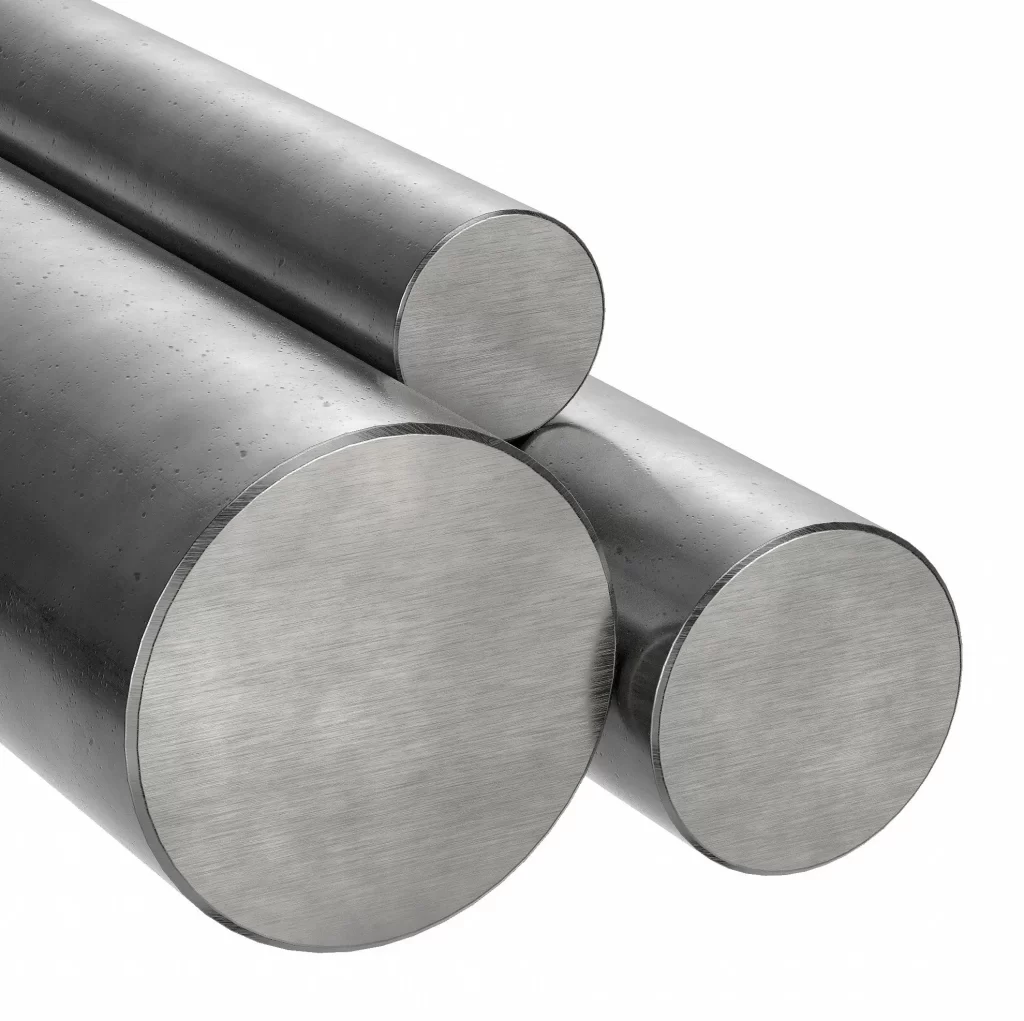
Aluminium/copper/zinc/lead and its alloys are metals and alloy with these metals which change the world of engineering metallurgy as a whole, here below we will discuss them one by one. Aluminium Aluminium is a white metal produced by an electric process from the oxide, which is Prepared from a clay mineral called bauxite. Bauxite is … Read more
Heat treatments to metal

Heat treatments to metal

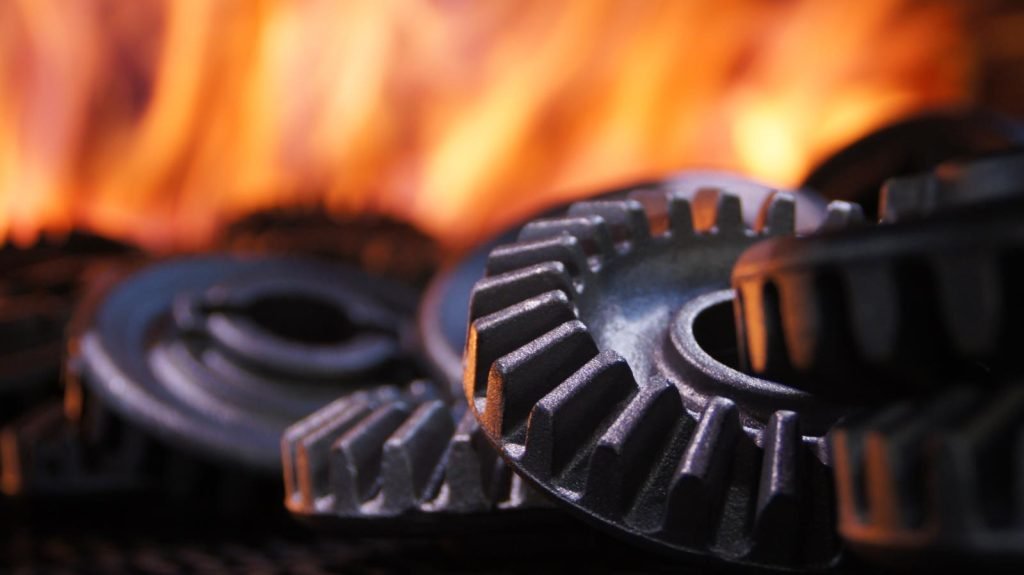
Process heat treatments to metal is the process of heating metal without it reaching its molten state, or melting, stage. And also then cooling the metal in a controlled way to get desired mechanical properties. Also, heat treatment is used to make metal strong and more malleable, more resistant to abrasion or more ductile Metal … Read more
Mechanical properties of metal

stress strain curve chart

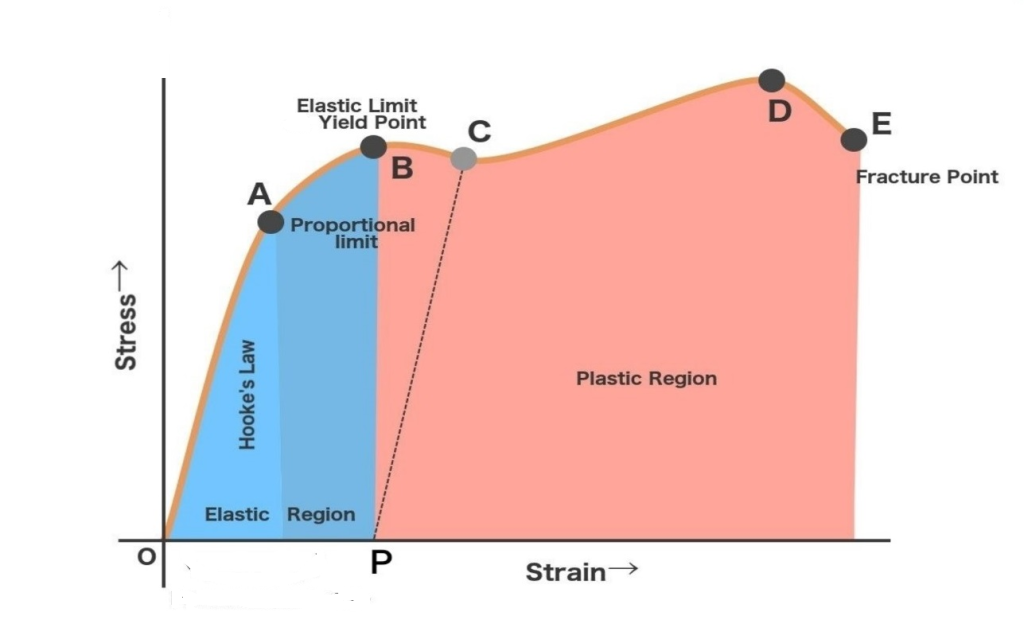
The mechanical properties of metal determine how its use of the metal and develop a standard that can be expected. and also show response to an external load Which includes how they behave (twist, elongate, compress) or break as a function of applied, load, temperature, time, and other conditions. Mechanical properties are termed by stress … Read more
Classification of textile fibres

dyed textile fibres

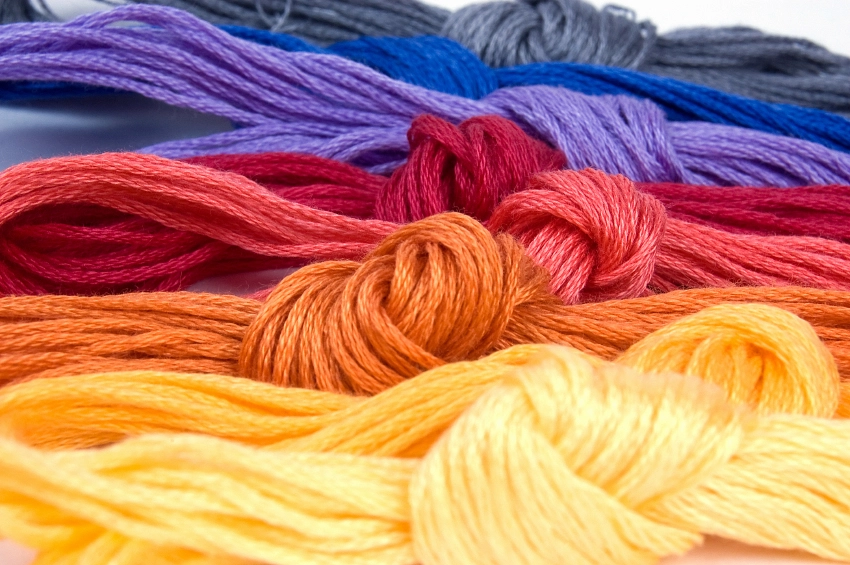
Classification of textile fibres into two main categories, natural and man-made fiber in the classification of textile fiber. Classification of textile fibers chart Vegetable fibres Bast fibre (jute,ramie, flax, hemp) Leaf fibres (sisal, abaca) Seed fibres (cotton, bombax, kapok, coir) You may like to read about Potato fiber as a sustainable solution for the fashion … Read more
Man made fibres

Man Made fibres

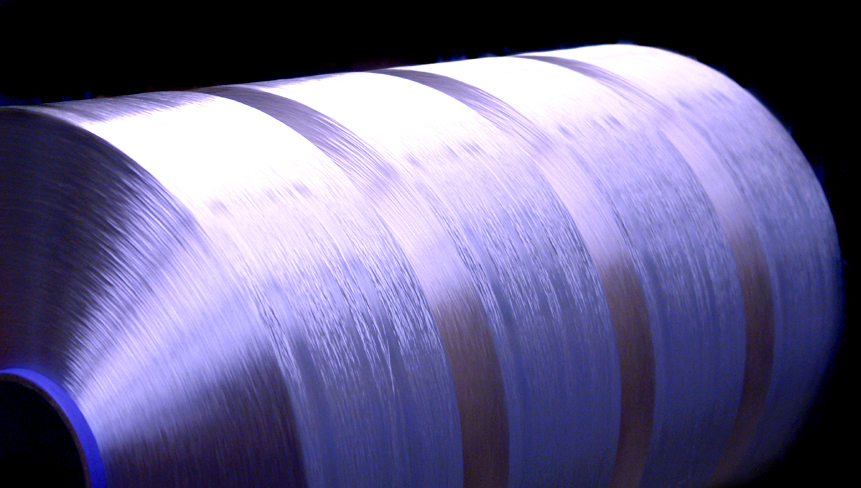
Man-made fibres are those that man has generated the fibres for himself from something which are not previously in a suitable fibrous form or from chemical reactions. Classification of man-made fibres In the classification of textile fibres, man-made fibres can be further subdivided into two main classes. Synthetic fibres Regenerated fibres Synthetic or pure man-made … Read more
What is resin?

what is Resin

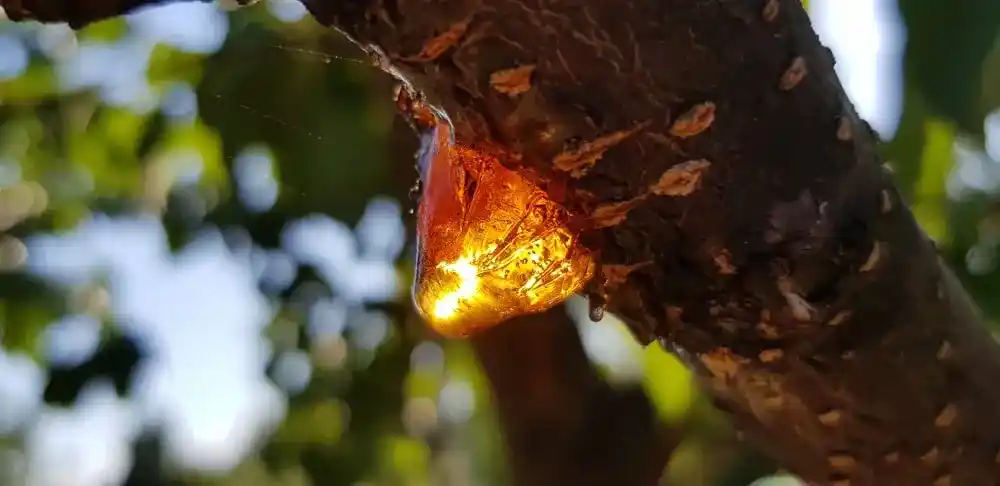
Resin is a viscose material that is derived from various plants and synthetically produced from chemicals. It is widely used in manufacturing, construction, art and medicine. Resine is of two types, natural and synthetic. Natural resin is extracted from plants through a technique called tapping,( a cut in the bark). Synthetic resin is designed to … Read more